SERVICES

SERVICES

Varicose Veins & Chronic
Venous Insufficiency
Varicose Veins & Chronic
Venous Insufficiency
Vascular Surgeon in Cairns, Far North Queensland

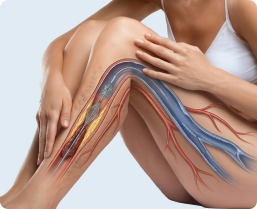
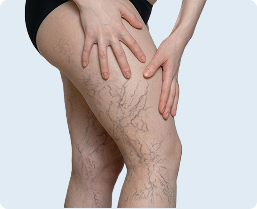
Varicose veins are enlarged, visible veins that develop when the valves inside the veins stop working properly. This condition, known as chronic venous insufficiency, causes blood to pool in the legs, leading to swollen, twisted veins that are often blue or purple in colour. Varicose veins most commonly affect the legs due to the increased pressure from standing and walking.

While some patients seek treatment for cosmetic reasons, varicose veins frequently cause symptoms such as leg pain, aching, heaviness, swelling, itching, skin changes, and fatigue—particularly in warm climates like Far North Queensland. If left untreated, varicose veins can progress and may lead to complications including skin ulceration, bleeding, or blood clots.

Common risk factors include genetics, ageing, pregnancy, prolonged standing, obesity, and hormonal changes.

Specialist Varicose Vein Treatment in Cairns & Far North Queensland

As an experienced vascular surgeon in Cairns, Dr Galappaththy provides comprehensive assessment and treatment for varicose veins and venous disease in a private clinic setting, serving patients from Cairns and across Far North Queensland.

A full range of modern, minimally invasive varicose vein treatments is offered, including radiofrequency ablation, medical glue (cyanoacrylate) ablation, and ultrasoundguided sclerotherapy. Surgical treatment is available when clinically indicated.

Each patient undergoes a detailed consultation and duplex ultrasound assessment. Based on this evaluation, Dr Galappaththy develops a personalised treatment plan tailored to your symptoms, vein anatomy, and lifestyle—aimed at relieving discomfort, improving appearance, and supporting longterm vein health.

Radiofrequency ablation (RFA) is a minimally invasive varicose vein treatment used to close larger superficial veins, including the long and short saphenous veins. Under ultrasound guidance, a thin catheter is placed into the vein and radiofrequency energy is applied to seal it. The treated vein is then naturally absorbed by the body, improving leg symptoms and appearance.

Radiofrequency ablation (RFA) is a minimally invasive varicose vein treatment used to close larger superficial veins, including the long and short saphenous veins. Under ultrasound guidance, a thin catheter is placed into the vein and radiofrequency energy is applied to seal it. The treated vein is then naturally absorbed by the body, improving leg symptoms and appearance.

Radiofrequency ablation (RFA) is a minimally invasive varicose vein treatment used to close larger superficial veins, including the long and short saphenous veins. Under ultrasound guidance, a thin catheter is placed into the vein and radiofrequency energy is applied to seal it. The treated vein is then naturally absorbed by the body, improving leg symptoms and appearance.

Radiofrequency ablation (RFA) is a minimally invasive varicose vein treatment used to close larger superficial veins, including the long and short saphenous veins. Under ultrasound guidance, a thin catheter is placed into the vein and radiofrequency energy is applied to seal it. The treated vein is then naturally absorbed by the body, improving leg symptoms and appearance.

Peripheral Vascular Disease (PVD)

Peripheral Vascular Disease (PVD)—also known as Peripheral Artery Disease (PAD)—is a common condition that affects the blood vessels outside the heart and brain, most often in the legs. It occurs when arteries become narrowed or blocked due to a build‑up of fatty deposits (plaque), reducing blood flow to the muscles and tissues.

People with PVD may experience leg pain or cramping when walking, cold or numb feet, slow‑healing wounds, foot pain at rest or changes in skin colour. In more advanced cases, reduced circulation can lead to serious complications (leg amputation, life threatening infection) if left untreated.

Early diagnosis and treatment are important to relieve symptoms, improve mobility, and prevent limb‑threatening complications. Treatment is tailored to each individual and may include lifestyle changes, medications, minimally invasive procedures or open surgery.

Dr Galappaththy offers all types of patient‑centred surgical interventions, including minimally invasive angioplasty, stenting, and atherectomy procedures, designed to restore blood flow, reduce symptoms, and help patients return to an active and healthy lifestyle. Dr Galappaththy also offer open bypass surgery in selected patients.
If you are experiencing leg pain, non‑healing wounds, or other circulation concerns, a specialist vascular assessment can help determine the most effective treatment option for you.

Endovascular Treatment Options for Peripheral Vascular Disease (PVD)

Endovascular treatment offers minimally invasive options for managing Peripheral Vascular Disease (PVD) and Peripheral Artery Disease (PAD) by restoring blood flow through narrowed or blocked arteries. These procedures are performed through small punctures, avoiding large incisions and allowing for faster recovery, less pain, and shorter hospital stays.

Common endovascular treatments include:

Angioplasty

A small balloon is inflated inside the narrowed artery to widen it and improve blood flow.

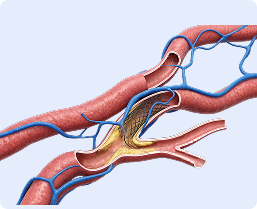
Stenting

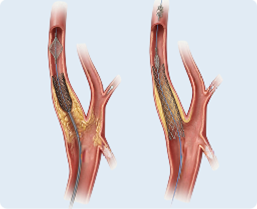
A tiny metal mesh tube (stent) is placed inside the artery to keep it open after angioplasty and prevent re narrowing.

Atherectomy

Special devices are used to remove plaque from inside the artery, improving circulation in selected patients.

Dr Galappaththy offers all types of patient‑centred endovascular interventions, including angioplasty, stenting, and atherectomy, carefully tailored to each patient’s condition and overall health to achieve the best possible outcomes.

Carotid Artery Disease

Carotid artery disease occurs when plaque builds up in the carotid arteries, reducing blood flow to the brain and increasing the risk of stroke. Early diagnosis and appropriate treatment are essential to prevent serious neurological complications.

Managing Carotid Artery Disease
Medical management of Carotid Artery Disease

Medical management focuses on reducing stroke risk through lifestyle modification and medication. This includes antiplatelet therapy, cholesterol‑lowering medications (statins), blood pressure control, diabetes management, and smoking cessation. Medical treatment is often recommended for patients with mild to moderate carotid narrowing or those not suitable for surgery.

Carotid Endarterectomy

Carotid endarterectomy is a surgical procedure that removes plaque from the carotid artery to restore normal blood flow to the brain. It is a well‑established treatment for patients with significant carotid artery narrowing, particularly those who have had symptoms such as stroke or transient ischaemic attack (TIA). The procedure has been shown to significantly reduce future stroke risk when performed in appropriate patients.

Carotid Artery Stenting

Carotid artery stenting is a minimally invasive alternative to surgery. A small mesh stent is placed inside the carotid artery to keep it open and improve blood flow. This option may be recommended for patients at higher risk for open surgery or with complex anatomy. Carotid stenting can effectively reduce stroke risk in carefully selected patients.

Aortic and Peripheral Artery Aneurysms

An aneurysm is an abnormal weakening and ballooning of an artery wall. The most common type is an aortic aneurysm, which can occur in the abdomen (abdominal aortic aneurysm – AAA) or chest (thoracic aortic aneurysm). Aneurysms can also affect other arteries, including those in the legs, pelvis, or arms.

Many aneurysms develop slowly and cause no symptoms until they become larger causing it to rupture, making early diagnosis and specialist assessment essential.

Minimally Invasive Endovascular Treatment

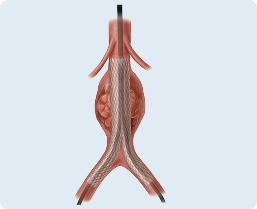
Advances in vascular surgery now allow many aneurysms to be treated using minimally invasive endovascular techniques, avoiding the need for open surgery. One of the most common approaches is Endovascular Aneurysm Repair (EVAR), where a stent‑graft is inserted through small incisions in the groin and positioned inside the artery to reinforce the weakened area and prevent rupture.

Endovascular treatments typically offer smaller incisions, reduced recovery time, and lower surgical risk for suitable patients.

Dr Galappaththy, vascular surgeon servicing Far North Queensland, has extensive experience in endovascular minimally invasive interventions for aortic and peripheral artery aneurysms, providing contemporary, evidence‑based vascular care for patients across North Queensland.

Endovascular Aneurysm Repair of Abdominal Aortic Aneurysm is a minimally invasive method to treat complex aortic aneurysm

Diabetic Foot Disease

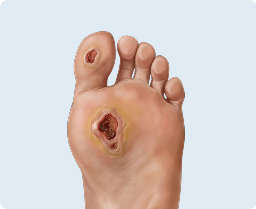
Diabetic foot disease is a serious complication of diabetes caused by peripheral neuropathy, infection, and ischaemia, leading to foot ulcers, poor wound healing, and increased risk of amputation. Nerve damage reduces sensation, reduced blood flow impairs healing, and infection can rapidly worsen tissue damage if not treated early.

Dr Galappaththy offers comprehensive assessment and management of diabetic foot disease, including minimally invasive angioplasty to revascularize diabetic foot ulcers and improve wound healing.

Angiogram of a diabetic foot

Dialysis and Vascular/Chemotherapy access

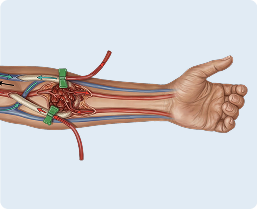
Dr Galappaththy has extensive experience in renal dialysis access and vascular access surgery. He provides AV fistula creation, permanent dialysis catheter (Permcath) insertion, and port‑a‑cath insertion for chemotherapy and cancer patients, delivering safe, reliable long‑term vascular access tailored to each patient’s needs.

Arteriovenous fistula creation for dialysis

Diabetic foot disease is a serious complication of diabetes caused by peripheral neuropathy, infection, and ischaemia, leading to foot ulcers, poor wound healing, and increased risk of amputation. Nerve damage reduces sensation, reduced blood flow impairs healing, and infection can rapidly worsen tissue damage if not treated early.

Dr Galappaththy offers comprehensive assessment and management of diabetic foot disease, including minimally invasive angioplasty to revascularize diabetic foot ulcers and improve wound healing.

Port Cath Insertion for chemotherapy
Other Vascular Conditions

Dr Galappaththy specialises in the full range of vascular conditions, including:

  • DVT (Deep Vein Thrombosis) – blood clots in the lower or upper limbs
  • Vascular malformations
  • Thoracic outlet disorders – compression of nerves or blood vessels in the neck
  • Hyperhidrosis (excess sweating)
  • Renal and mesenteric artery stenosis – narrowing of blood vessels supplying the kidney and bowel
  • Pelvic Congestion Syndrome
  • Varicocele embolization
  • Lymphoedema
ASK A QUESTION OR BOOK YOUR CONSULTATION

Please fill in the online enquiry form to ask a question or book your consultation. Dr Lajevardi looks forward to seeing you soon.

Or CALL TODAY ON 07 4041 1408